Young Scholars' Conclave 2026
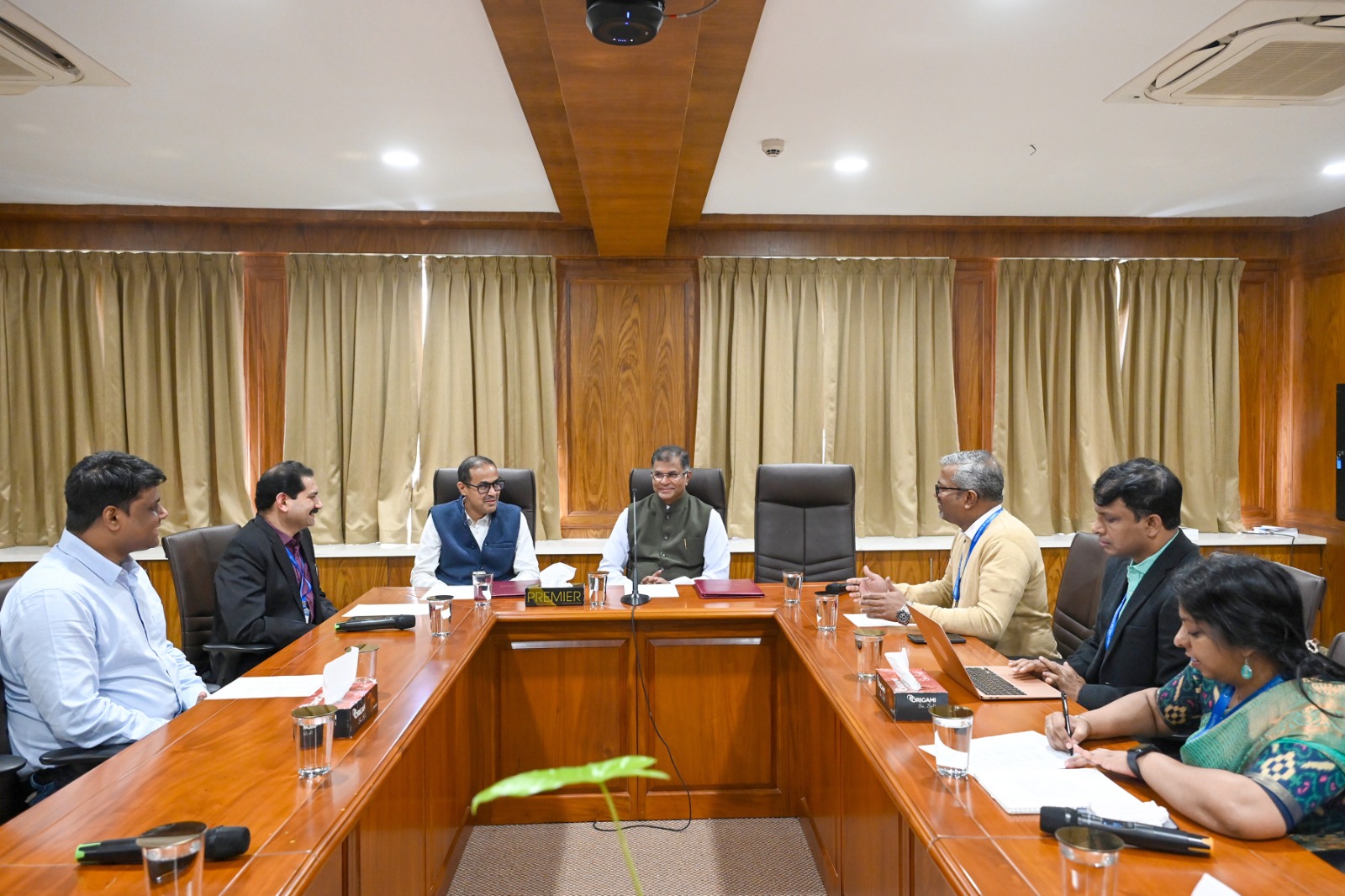
Delegates seated in discussion at a conference session
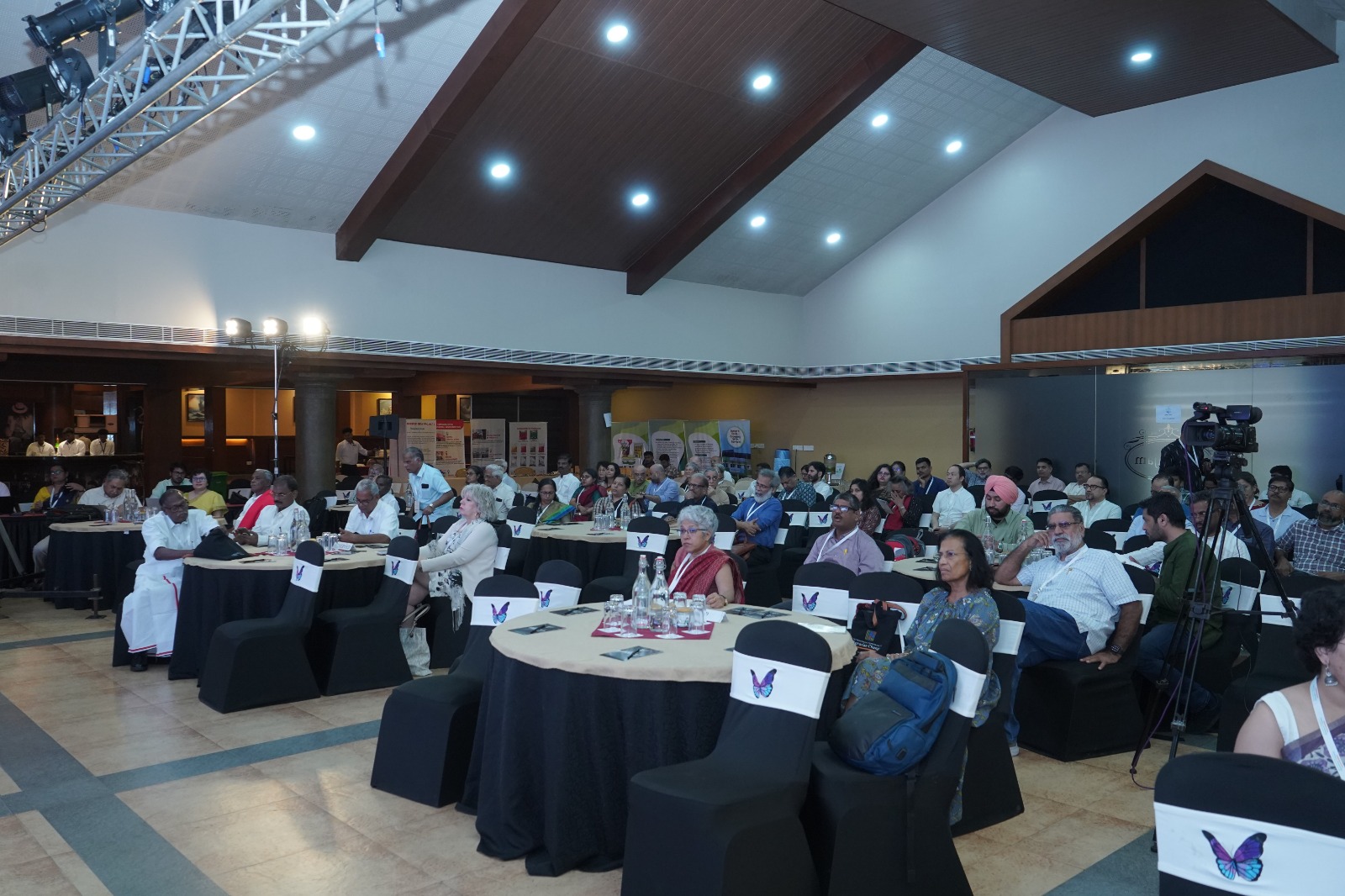
Attendees at a past CHRIST Economics Department conference
Delegates seated in discussion at a conference session

Foundation for Agrarian Studies & CHRIST (Deemed to be University)

Young Scholars' Conclave on Rural Transformation

“Studying the Countryside in the Twenty-First Century”

2–4 December 2026 · Bengaluru
CONCLAVE STARTS 2–4 DECEMBER 2026
Abstract Due on 1st September
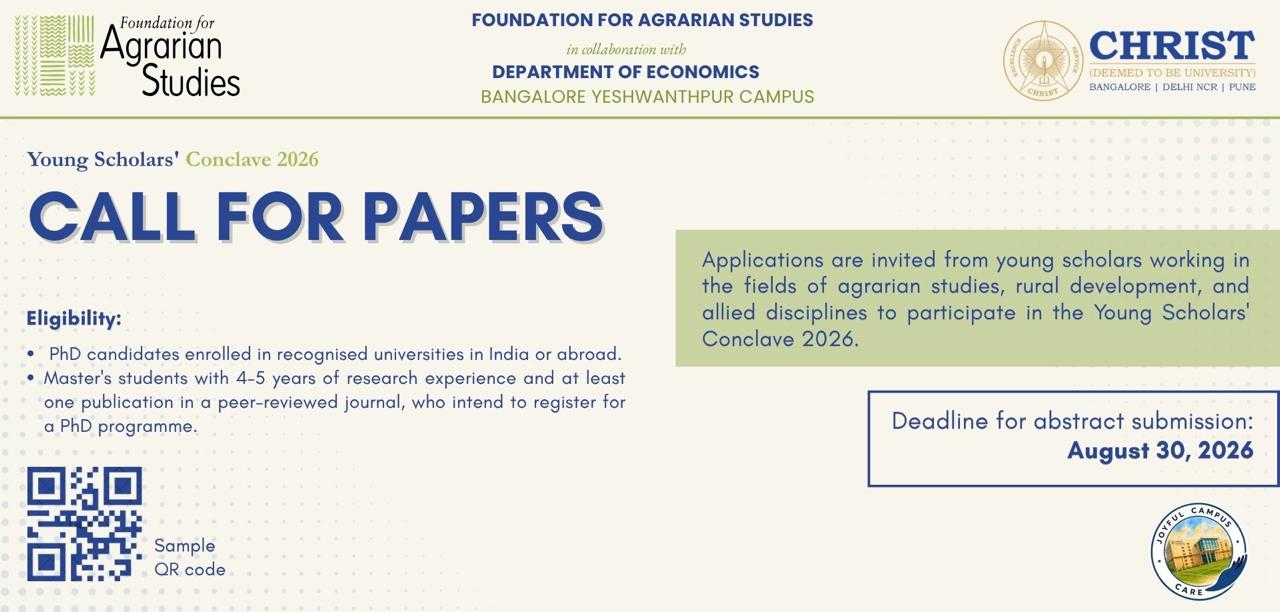
Young Scholars' Conclave poster

Our Themes

A preview of the thematic areas for the Young Scholars' Conclave 2026

The conclave will focus on the following broad thematic areas:

Role of Science and Technology in Agrarian and Rural Transformation
Science and technology have historically played, and continue to play, a critical role in shaping agrarian and rural transformation. However, the impact and distribution of the benefits of technological change are closely linked to the prevailing socio-economic structure, institutional arrangements, and public policies. This theme invites papers that examine the interaction between advances in agricultural science and technology and the contemporary agrarian context in India, with a focus on issues such as productivity, equity, digital agriculture, mechanisation, biotechnology, and the role of public research and extension systems.
Inequality, Deprivation, and Living Standards in the Countryside
Inequality and deprivation remain a challenge in rural India despite economic and social changes. Inequality is broadly understood as disparities on income, wealth, employment, access to education, healthcare, and other productive resources. Standards of living emphasise the ability to live a healthy life, receive quality education, secure nutritious food, access adequate housing and essential public services. This theme invites contributions examining the different dimensions of inequality and deprivation in rural areas, and data and policy debates on living standards and reducing social and economic disparities.
Agrarian Relations
Agrarian relations are shaped by interactions among class, caste, gender, and other forms of social differentiation. These interactions take place in a background defined by the interplay between global, national, and local processes that influence agricultural production systems, labour markets, and rural development. This theme welcomes papers on changing agrarian relations, the conditions of rural socio-economic classes, women's participation in the rural workforce, the condition of Scheduled Castes, Scheduled Tribes, and other marginalised communities, incomes from agriculture and related activities.
Dynamics of Farm and Non-Farm, and Rural and Urban Linkages (including Migration)
Rural economies are increasingly interconnected with non-farm activities, both within the village and in urban centres, leading to significant changes in livelihoods, employment patterns, and social relations. One of the major outcomes of these changes has been the increase in out-migration from the countryside. Although agriculture continues to be the primary source of livelihood for a large proportion of rural households, its contribution to the overall Gross Value Added (GVA) has steadily declined. These changes have generated new research questions on the evolving relationship between agricultural and non-agricultural activities and its implications for rural transformation. This theme invites papers that examine the changing dynamics of farm–non-farm linkages, the diversification of rural livelihoods, rural–urban economic interactions, and seasonal as well as long-term migration.
Agriculture and the Environment (including Climate Change)

Agriculture and rural livelihoods are closely linked to environmental conditions and natural resources. Environmental degradation, water scarcity, and climate variability have emerged as major challenges affecting agricultural production and rural communities. At the same time, important debates continue over how to balance environmental sustainability, agricultural productivity and livelihood security, particularly for the rural poor.

In many countries of the Global South, including India, climate change has also intensified debates over agricultural policy. A key concern is the growing emphasis on climate change mitigation, which risks overshadowing the need to increase agricultural production and productivity, critical dimensions of food security and rural livelihoods.

This theme invites papers on environmental change in rural areas; climate change adaptation and mitigation; sustainable agriculture; irrigation and water resource management; and policy responses to environmental and climate-related challenges.

NOTE

These themes are indicative rather than exhaustive. Scholars are welcome to submit papers that broadly align with these thematic areas. We particularly encourage submissions that connect field-based experiences and empirical evidence with government policies and programmes. Papers addressing data sources, databases, and methodological approaches to the study of rural India are also welcome.

Call for Papers

Applications are invited from young scholars working in the fields of agrarian studies, rural development, and allied disciplines to participate in the Young Scholars' Conclave 2026.

  • PhD candidates enrolled in recognised universities in India or abroad.
  • Master’s students with 4–5 years of research experience and at least one publication in a peer-reviewed journal, who intend to register for a PhD programme.
LAST DATE TO SUBMIT ABSTRACT1 September 2026
COMMUNICATION OF ACCEPTANCE30 September 2026
FULL PAPERS DUE10 November 2026

Organisers

Jointly organised by the Foundation for Agrarian Studies (FAS) and CHRIST (Deemed to be University).

Barbara Harriss-White
Academic Convenor

Barbara Harriss-White

Emeritus Professor of Development Studies, University of Oxford (Wolfson College)

Experts

Leading experts from across the world will deliberate on issues pertaining to the agrarian question and rural development.

The list of experts will be updated soon.

Senior Scholars

The conclave will be attended by senior scholars from universities and research institutions across the world to engage with and mentor young scholars on diverse aspects of agrarian studies and the rural economy.

The list of senior scholars will be updated soon.

List of Scholars

YS

Scholar Profiles will be announced

Accepted scholars will be announced here following the Communication of Acceptance, ahead of the Conclave on 2–4 December 2026.

Guests of Honour

Guests of Honour for the Young Scholars' Conclave 2026 will be announced by the organising committee.

Contact Us

Conclave Venue

CHRIST (Deemed to be University)
Bangalore Yeshwanthpur Campus, Nalagadderanahalli, Peenya,
Bengaluru, Karnataka 560073

Email — to be confirmed

Contact Persons

Dr Harshan T. P.Foundation for Agrarian Studies
JM
Dr Jayesh M. P.CHRIST (Deemed To be University)

About the Conclave

Jointly organised by the Foundation for Agrarian Studies (FAS) and CHRIST (Deemed to be University), the Young Scholars’ Conclave strives to be a platform for young researchers to present their work, engage with senior scholars and subject experts, and build enduring academic networks.

More details

Important Dates

Key dates for the Young Scholars' Conclave 2026.

01
05 August 2026 Call for Applications
02
01 September 2026 Last Date to Submit Abstract
03
30 September 2026 Communication of Acceptance
04
10 November 2026 Submission of Full Papers
05
2–4 Dec 2026 Conclave Dates

Our Themes

A preview of the thematic areas for the Young Scholars’ Conclave 2026

The conclave will focus on the following broad thematic areas:


01

Role of Science and Technology in Agrarian and Rural Transformation.

Know more

02

Inequality, Deprivation, and Living Standards in the Countryside.

Know more

03

Agrarian Relations

Know more

04

Dynamics of Farm and Non-Farm, and Rural and Urban Linkages (including Migration)

Know more

05

Agriculture and Environment including (Climate Change)

Know more

● Note

These themes are indicative rather than exhaustive. Scholars are welcome to submit papers that broadly align with these thematic areas. We particularly encourage submissions that connect field-based experiences and empirical evidence with government policies and programmes. Papers addressing data sources, databases, and methodological approaches to the study of rural India are also welcome.

01 Role of Science and Technology in Agrarian and Rural Transformation.

Science and technology have historically played, and continue to play, a critical role in shaping agrarian and rural transformation. However, the impact and distribution of the benefits of technological change are closely linked to the prevailing socio-economic structure, institutional arrangements, and public policies. This theme invites papers that examine the interaction between advances in agricultural science and technology and the contemporary agrarian context in India, with a focus on issues such as productivity, equity, digital agriculture, mechanisation, biotechnology, and the role of public research and extension systems.